Deenpanah
Barabanki · Nindura
How This Centre Works
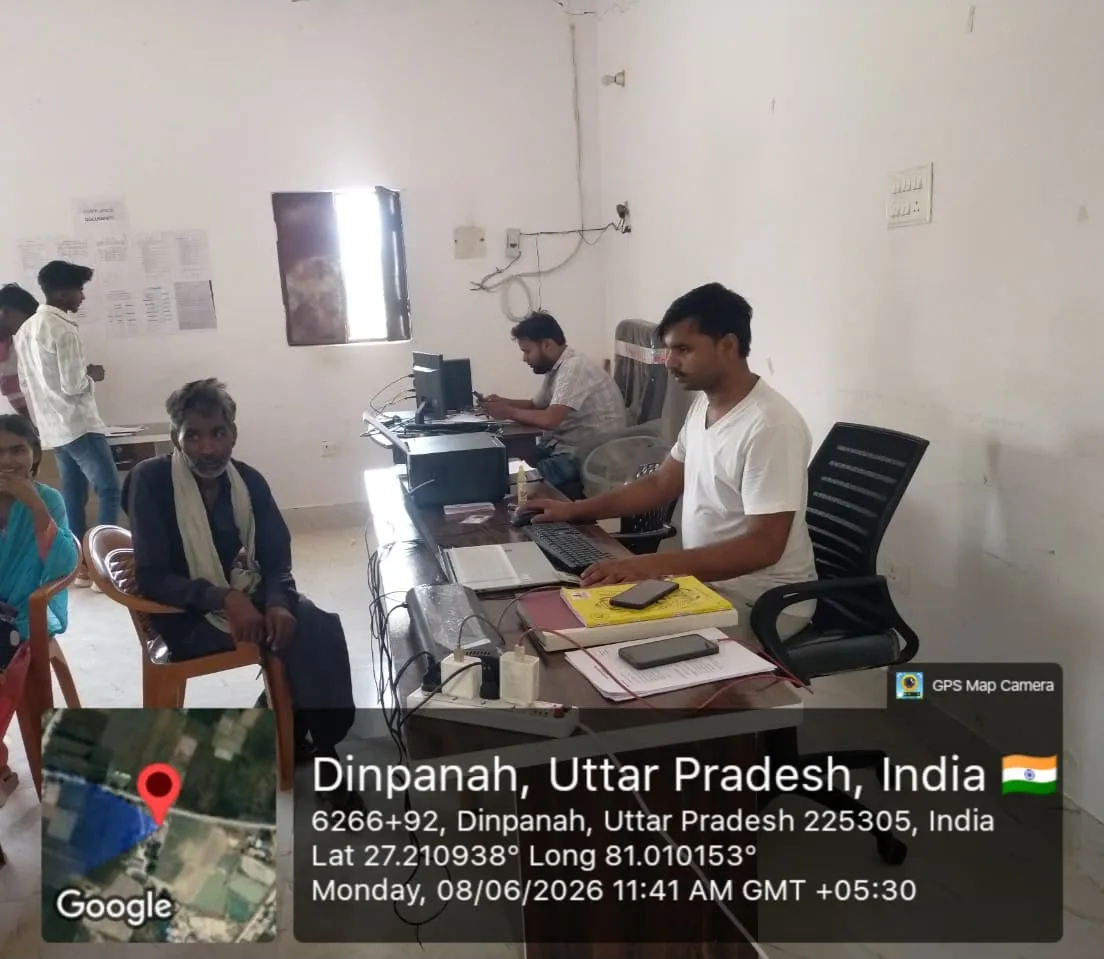
Manish Kumar
Reporting and documentation, Community service provider, Community mobiliser, Bridge between Community and Services, Supporting the " Reach the Last Mile"
My name i Manish Kumar, and I belong to Deenpanah, Barabanki District, Uttar Pradesh. I believe that responsibility gives us the opportunity to discover our strengths. Working as a Centre Facilitator with REACHA’s Smartpur Project has made me more responsible towards myself and my community. I learned to interact with people, understand their concerns, and guide them towards useful information and services. The Smartpur Centre has provided me with an opportunity to learn about digital literacy, government schemes, education, financial inclusion, and livelihood activities. My dream is to become a successful person and make my family proud. I will continue working hard and learning from every experience because I believe that every step forward brings me closer to my goal.
Our Initiatives Transforming Lives
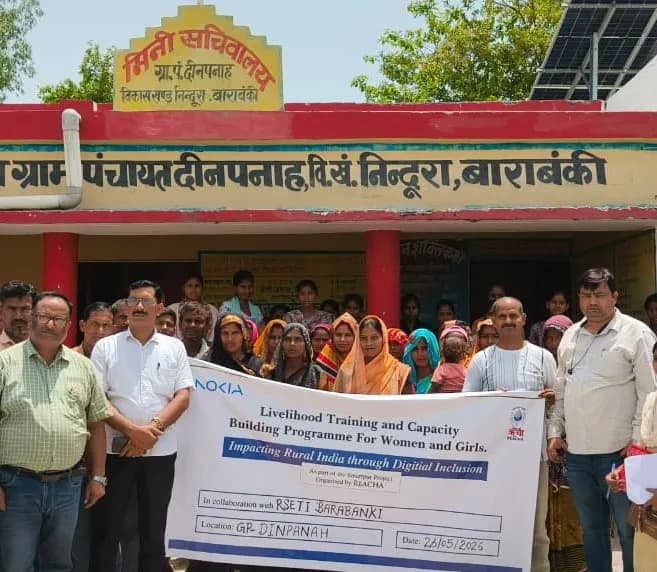
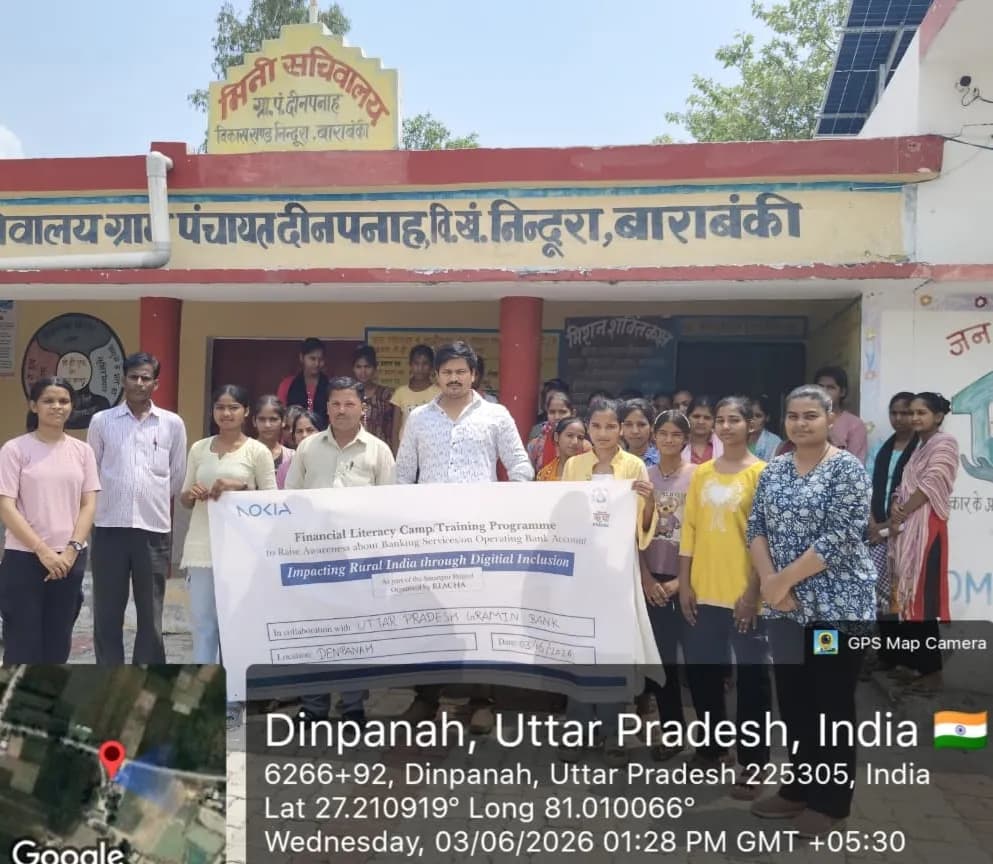
Community Context
Who we serve
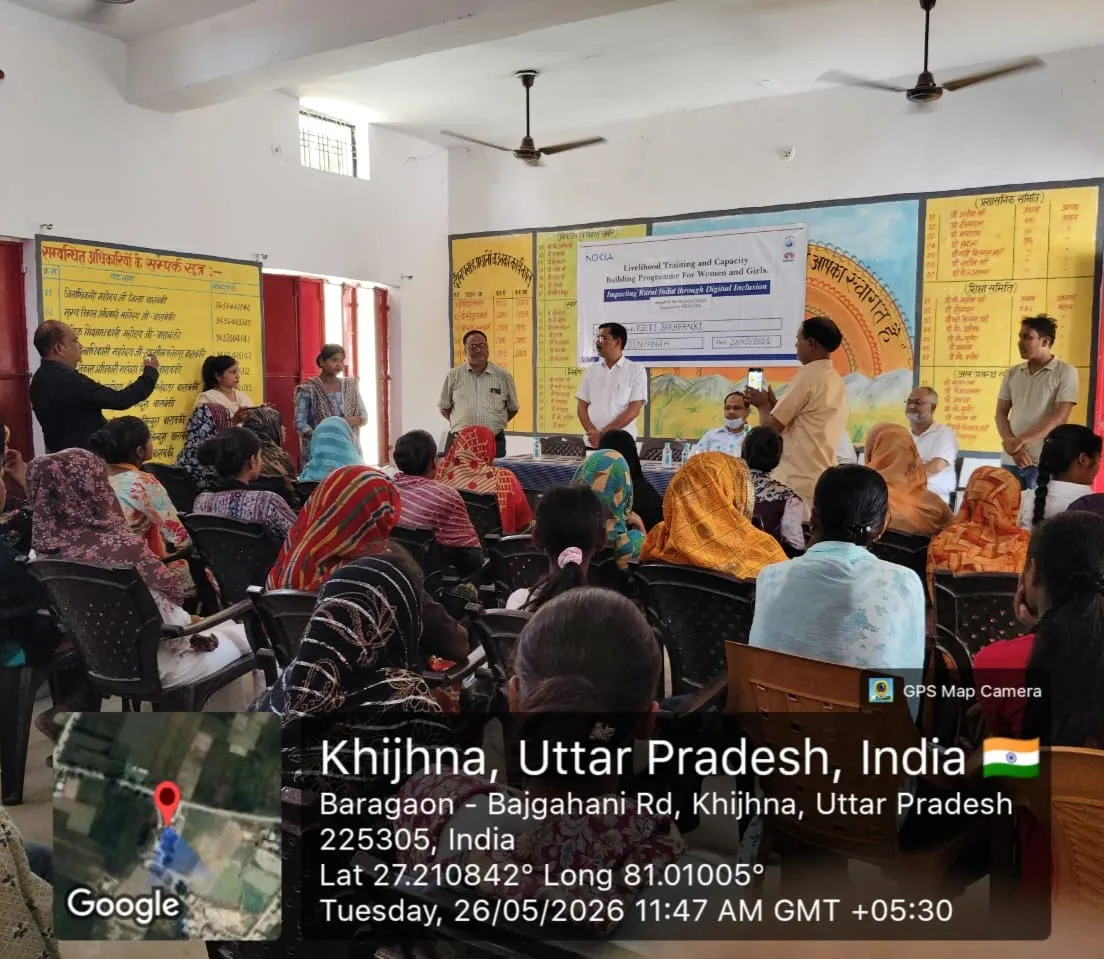
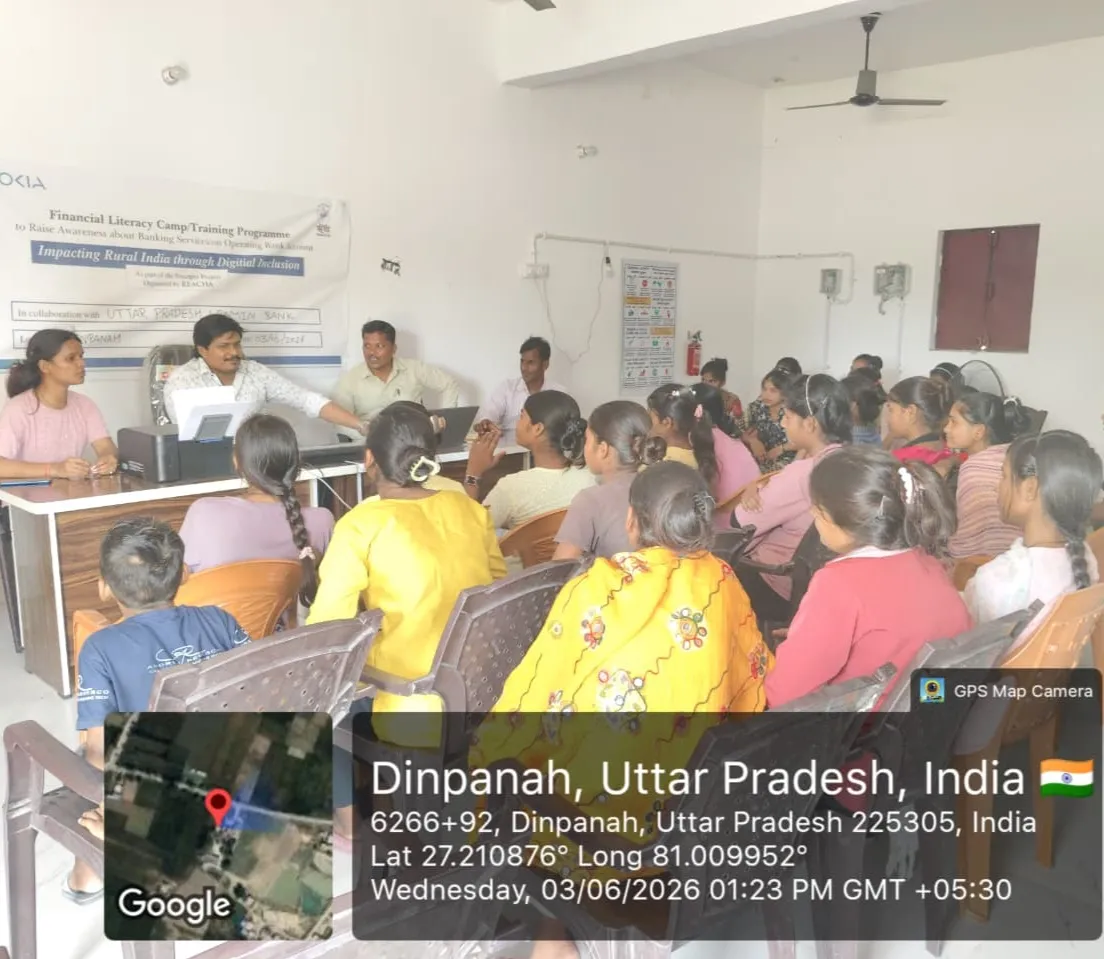
25 Students Enrolled for Digital Literacy Classes 546 Beneficiaries 75Community members work sensitized and made aware of Various of Government Scheme
Challenges addressed
Limited respondent availability: Some participants were unavailable during visits. Follow-up visits and flexible scheduling were used. Lack of cooperation: Some respondents were hesitant to share information. The study purpose was explained clearly, and confidentiality was assured. Communication barriers: Language and literacy differences created difficulties. Local languages and simple explanations were used. Logistical issues: Transportation challenges and remote locations caused delays. Field routes were planned efficiently, and extra time was allocated. Technical problems: Device malfunctions and poor internet connectivity affected data collection. Backup devices and offline tools were used. Data quality concerns: Incomplete or inconsistent responses were encountered. Regular monitoring and data verification were conducted. Time constraints: Limited timelines made field activities challenging. Daily targets and progress tracking helped maintain schedules. Weather conditions: Rain, heat, or other adverse weather disrupted fieldwork. Schedules were adjusted as needed. Difficulty locating households/sites: Some locations were hard to identify or access. Local guides and community members assisted the team. Safety and security concerns: Certain areas posed safety risks. Teams followed safety protocols and conducted visits during safe hours. Low awareness among respondents: Some participants lacked understanding of the topic. Additional explanations and awareness efforts were provided
Key Learnings
- 01Effective community engagement and clear communication are essential for ensuring respondent participation. Flexibility in scheduling and regular follow-up visits help overcome respondent availability challenges. Using local languages and simple explanations improves understanding and builds trust among participants. Proper field planning
- 02route management
- 03and coordination with local community members enhance operational efficiency. Backup devices and offline tools are important for managing technical and connectivity issues. Regular monitoring and data verification are essential for maintaining data quality and accuracy. Adaptability to weather
- 04logistical
- 05and safety challenges is crucial for successful fieldwork. Local community support and guidance play an important role in accessing difficult locations and improving field-level coordination. Awareness-building before data collection can improve respondent understanding and the quality of responses. Overall
- 06the fieldwork highlighted the importance of pl