REACHA

Barauli Malik

Barabanki · Harakh

165
Citizens Digitally Empowered

How This Centre Works

A Smartpur Centre works as a community-owned digital services centre— a single place where community can access digital services, information, and skills under one roof. The working model is as follows:
1. Through the Government Panchayat Bhawan The centre established in Government GPs , strengthening the ownership of community. The centre is equipped with - IT equipment, furniture for workstation, health kit named as clinic in bag. The all Centres work under the six pillars network. 2. Local Entrepreneur / Centre Facilitator Model Each centre is run by a trained local person (Centre Facilitator/entrepreneur). This creates both employment and ownership — the centre becomes the community's own resource, not just a "project office." 3. Six-Pillar Service Delivery Education – smart classes, computer courses, career guidance Health – telemedicine consultations, basic diagnostics (health kit), awareness sessions Livelihood – skill training, market/e-commerce linkages Financial Inclusion – banking, UPI, insurance, pension enrolment Governance – e-District services, certificates, scheme applications DRR- Strengthened the community to preparedness for any types of disasters. 4. Fee-for-Service Sustainability Small nominal fee of services allows the centre to cover its own costs — which is why revenue tracking is maintained in your beneficiary registers. The goal is for the centre to remain self-sustaining even after donor funding ends. 5. Community Ownership (CMC) A Centre Management Committee — comprising local members and Panchayat representatives — stays involved in the centre's monitoring and decision-making, which is also your current priority.
Dheeraj Kumar Srivastva
Facilitated By

Dheeraj Kumar Srivastva

Reporting and Documentation,Community Service Provider,Community Mobiliser,Bridge Between Community and Services,Supporting the “Reach the Last Mile” Mission:

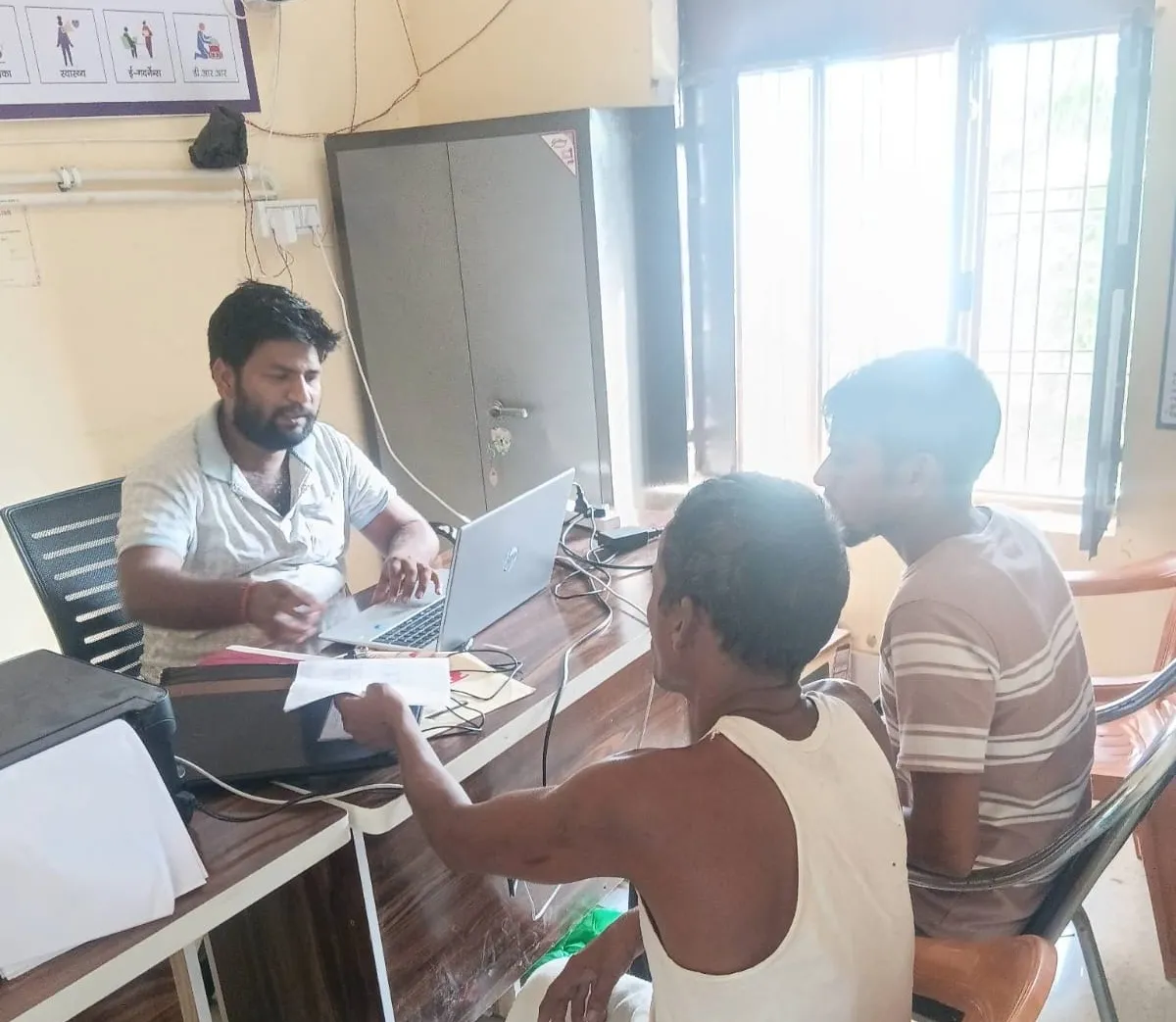
My name is Dheeraj Kumar Srivastava, and I belong to Barauli Malik, Barabanki District, Uttar Pradesh. I have always believed that helping others and learning from every experience makes life meaningful. Working as a Centre Facilitator with REACHA’s Smartpur Project has given me an opportunity to work closely with my community. I support community members by providing information about digital services, government schemes, education, financial services, and livelihood opportunities. This work has taught me the importance of patience, communication, and teamwork. It has also given me confidence that I can contribute to positive changes in my community. My dream is to become financially independent, support my family, and create a successful future through hard work. I believe that every small step taken today can lead to a better tomorrow.

Our Initiatives Transforming Lives
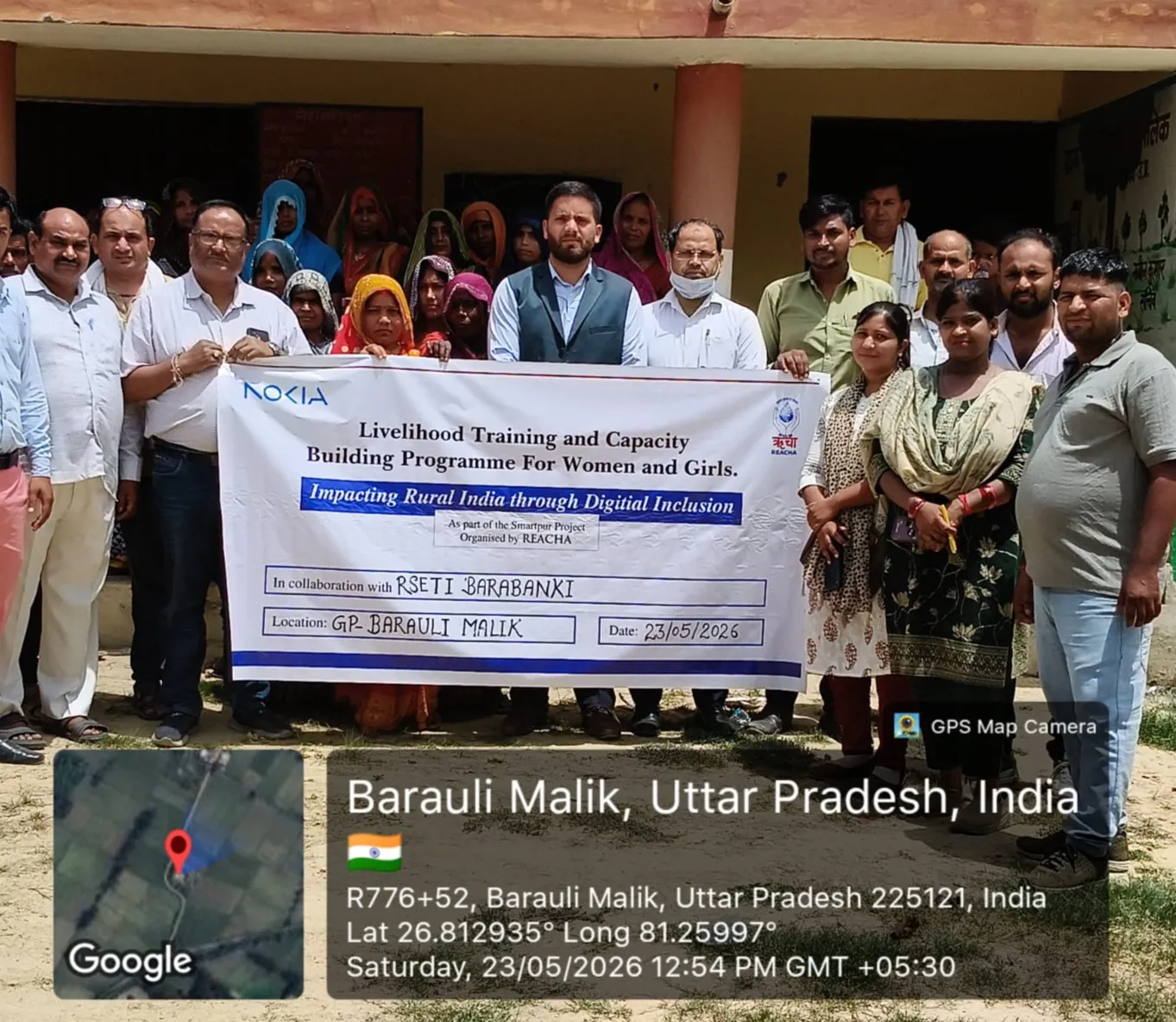
Livelihood Training and Capacity Development for Women and Girls on Dairy Farming and Natural Farming
May 23, 2026
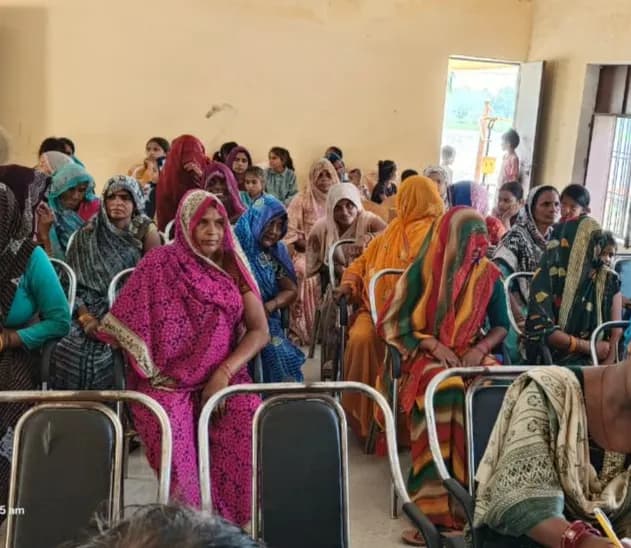
In collaboration with RSETI Barabanki, a livelihood training and capacity development session was organised for women and girls, with a total of 40 participants. The training focused on enhancing their knowledge and practical skills in Dairy Farming and Natural Farming, including sustainable farming practices, scientific dairy management, animal care, natural farming techniques, and opportunities for income generation. Through this initiative, participants were encouraged to explore sustainable livelihood opportunities, develop entrepreneurial skills, and strengthen their economic independence. The session aimed to empower women and girls with the knowledge and confidence needed to build resilient and sustainable livelihoods within their communities.

Community Context

3950Population

Who we serve

25 Students Enrolled for Digital Literacy Classes 100 Beneficiaries 40Community members work sensitized and made aware of Various of Government Scheme

Challenges addressed

Community members were engaged in different occupations, making it difficult to bring everyone together at one time. Some people had limited awareness of available government schemes and services. Initial hesitation was observed among certain respondents during interactions. Coordination among different stakeholders required continuous follow-up.

Insights

Key Learnings

  1. 01Community mobilisation requires continuous engagement rather than one-time meetings. The Smartpur Centre can act as an important access point for information and government services. Stakeholder coordination is essential for connecting community needs with appropriate services. Regular follow-up and personal interaction help strengthen community participation

Barauli Malik — Nokia Smartpur | Nokia Smartpur