REACHA

Agasand

Barabanki · Nindura

230
Citizens Digitally Empowered

How This Centre Works

A Smartpur Centre works as a community-owned digital services centre— a single place where community can access digital services, information, and skills under one roof. The working model is as follows:
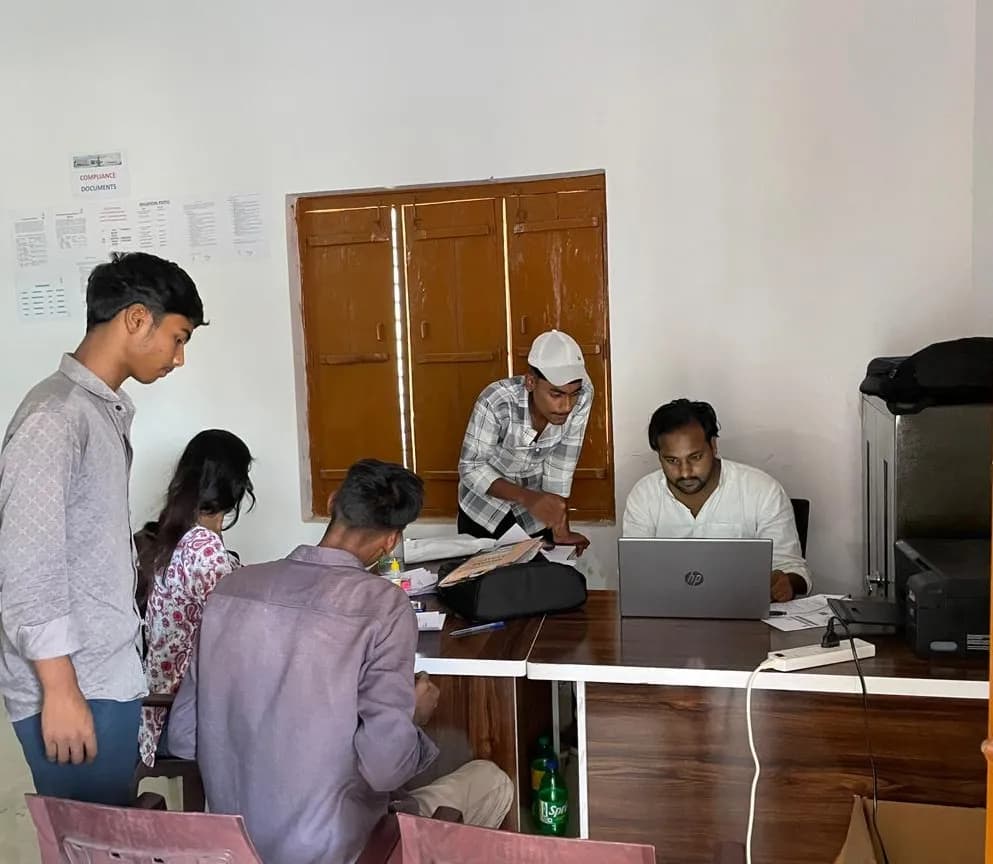
1. Through the Government Panchayat Bhawan The centre established in Government GPs , strengthening the ownership of community. The centre is equipped with - IT equipment, furniture for workstation, health kit named as clinic in bag. The all Centres work under the six pillars network. 2. Local Entrepreneur / Centre Facilitator Model Each centre is run by a trained local person (Centre Facilitator/entrepreneur). This creates both employment and ownership — the centre becomes the community's own resource, not just a "project office." 3. Six-Pillar Service Delivery Education – smart classes, computer courses, career guidance Health – telemedicine consultations, basic diagnostics (health kit), awareness sessions Livelihood – skill training, market/e-commerce linkages Financial Inclusion – banking, UPI, insurance, pension enrolment Governance – e-District services, certificates, scheme applications DRR- Strengthened the community to preparedness for any types of disasters. 4. Fee-for-Service Sustainability Small nominal fee of services allows the centre to cover its own costs — which is why revenue tracking is maintained in your beneficiary registers. The goal is for the centre to remain self-sustaining even after donor funding ends. 5. Community Ownership (CMC) A Centre Management Committee — comprising local members and Panchayat representatives — stays involved in the centre's monitoring and decision-making, which is also your current priority.
Syed Waqar Malik
Facilitated By
Syed Waqar MalikReporting and documentation, Community service provider, Community mobiliser, Bridge between Community and Services, Supporting the " Reach the Last Mile"

My name is Syed Waqar Malik, and I am from Village Agasand, Barabanki District, Uttar Pradesh. I believe that every difficulty we face in life teaches us something new. I always try to learn new things and improve myself. With this mindset, I got the opportunity to work with REACHA’s Smartpur Project. Through this project, I gained valuable experience in digital services, technology, and supporting community members. This work has increased my confidence and inspired me to contribute positively to society. My dream is to become successful through my hard work, support my family, and establish a successful business of my own. I know that success does not come overnight, but I strongly believe that a person who works hard, remains patient, and continues making consistent efforts will surely achieve their goals one day. This is just the beginning of my journey, and I have full faith that one day my hard work will lead me to my destination.

Our Initiatives Transforming Lives

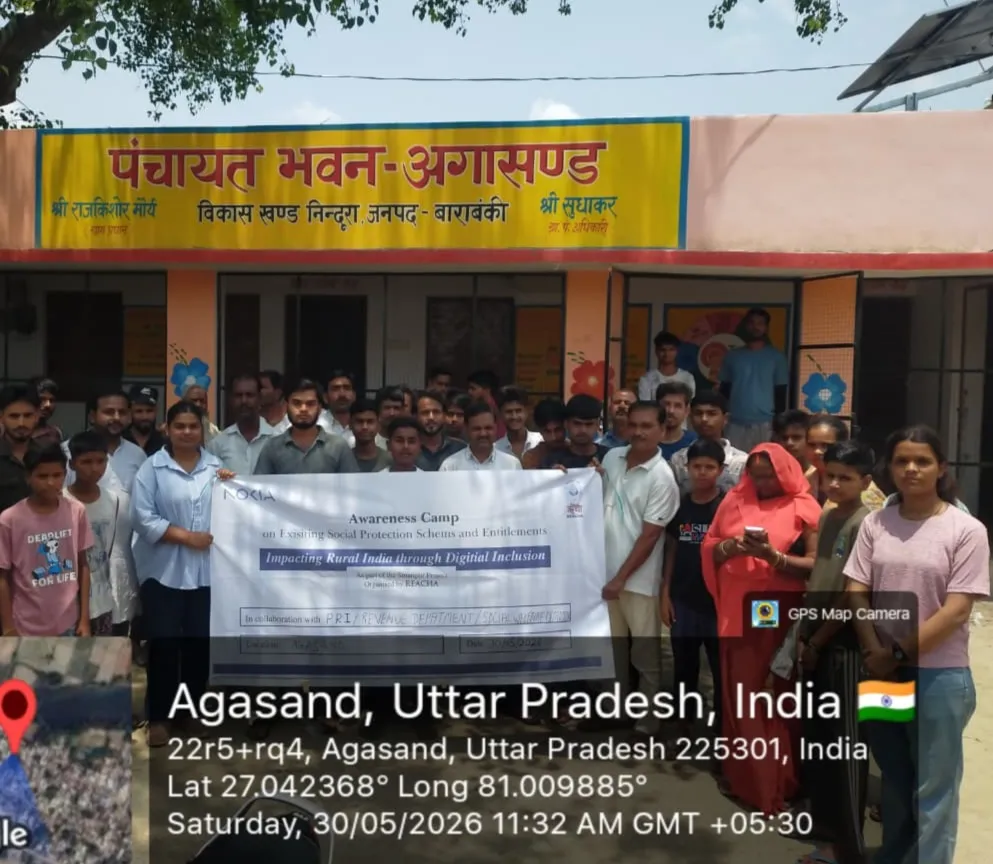
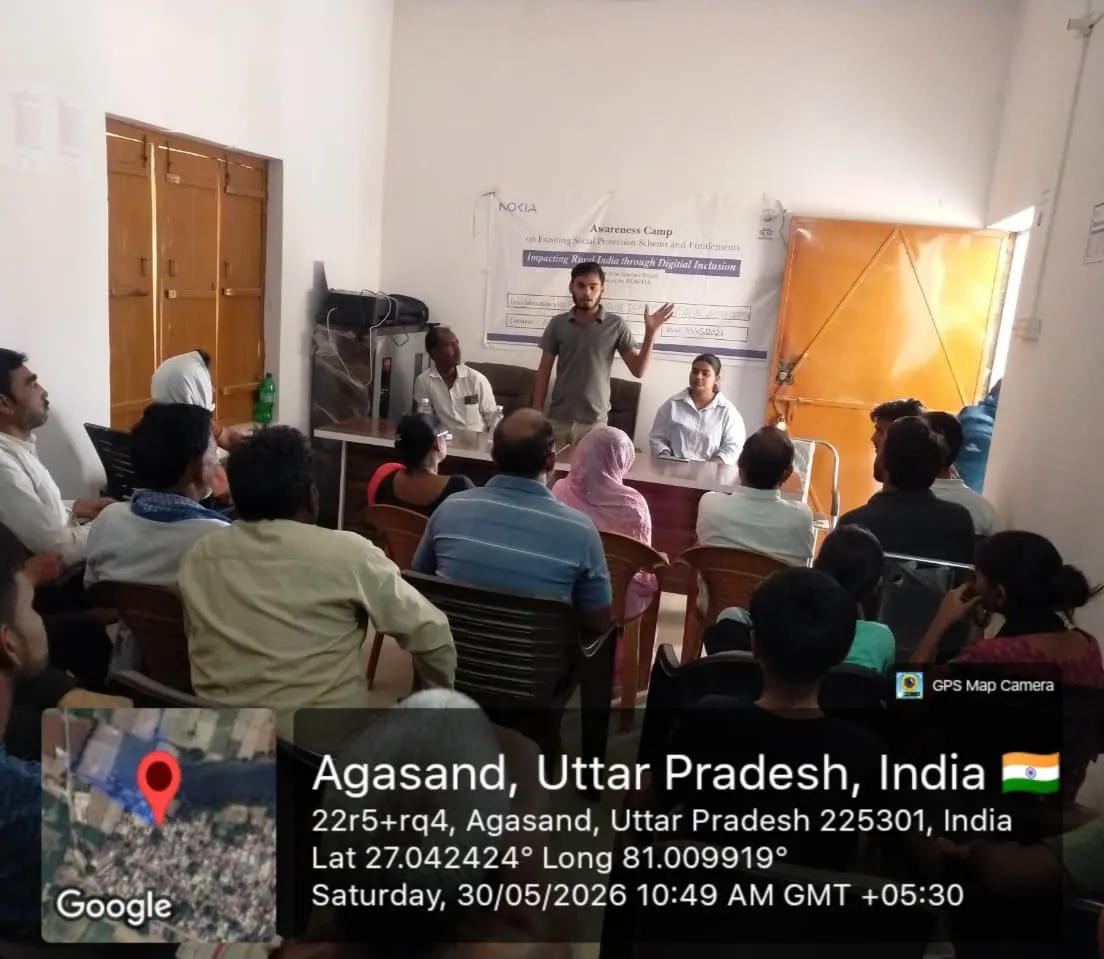
An Awareness camp on Social Protection Schemes
May 3, 2026
Under the Governance Pillar, REACHA focuses on creating awareness and facilitating access to various government social protection schemes and welfare services for eligible community members. Through community mobilisation and Smartpur Centres, people are informed about their rights, entitlements, eligibility criteria, and the application process for different government schemes. The initiative particularly supports women, children, senior citizens, persons with disabilities, economically vulnerable families, and other marginalised groups in accessing benefits related to social security, pensions, scholarships, healthcare, food security, employment, and other welfare programmes. The objective is to strengthen inclusive governance and last-mile service delivery by connecting communities with government services and ensuring that eligible beneficiaries can access their rightful entitlements.

Community Context

4155Population

Who we serve

30 Students Enrolled for Digital Literacy Classes 160 Beneficiaries 40 Community members work sensitized and made aware of Various of Government Schemes

Challenges addressed

Limited respondent availability: Some participants were unavailable during visits. Follow-up visits and flexible scheduling were used. Lack of cooperation: Some respondents were hesitant to share information. The study purpose was explained clearly, and confidentiality was assured. Communication barriers: Language and literacy differences created difficulties. Local languages and simple explanations were used. Logistical issues: Transportation challenges and remote locations caused delays. Field routes were planned efficiently, and extra time was allocated. Technical problems: Device malfunctions and poor internet connectivity affected data collection. Backup devices and offline tools were used. Data quality concerns: Incomplete or inconsistent responses were encountered. Regular monitoring and data verification were conducted. Time constraints: Limited timelines made field activities challenging. Daily targets and progress tracking helped maintain schedules. Weather conditions: Rain, heat, or other adverse weather disrupted fieldwork. Schedules were adjusted as needed. Difficulty locating households/sites: Some locations were hard to identify or access. Local guides and community members assisted the team. Safety and security concerns: Certain areas posed safety risks. Teams followed safety protocols and conducted visits during safe hours. Low awareness among respondents: Some participants lacked understanding of the topic. Additional explanations and awareness efforts were provided.

Key Learning

Effective community engagement and clear communication are essential for ensuring respondent participation. Flexibility in scheduling and regular follow-up visits help overcome respondent availability challenges. Using local languages and simple explanations improves understanding and builds trust among participants. Proper field planningroute managementand coordination with local community members enhance operational efficiency. Backup devices and offline tools are important for managing technical and connectivity issues. Regular monitoring and data verification are essential for maintaining data quality and accuracy. Adaptability to weatherlogisticaland safety challenges is crucial for successful fieldwork. Local community support and guidance play an important role in accessing difficult locations and improving field-level coordination. Awareness-building before data collection can improve respondent understanding and the quality of responses. Overallthe fieldwork highlighted the importance of planningflexibilitycommunicationteamworkand continuous monitoring for successful data collection