
From Challenge to Change: Real Stories of Transformation Through the Smartpur Initiat
Introduction
Behind every development initiative are people whose lives reflect the true impact of the work being done. While numbers help measure progress, stories reveal how that progress reaches individuals, families, and communities.
Across different regions, rural communities face challenges that are shaped by their geography, livelihoods, and access to essential resources. Farmers deal with changing environmental conditions, young people seek better educational opportunities, and families often work with limited access to information and public services. Addressing these challenges requires more than infrastructure alone. It requires knowledge, timely support, and local participation.
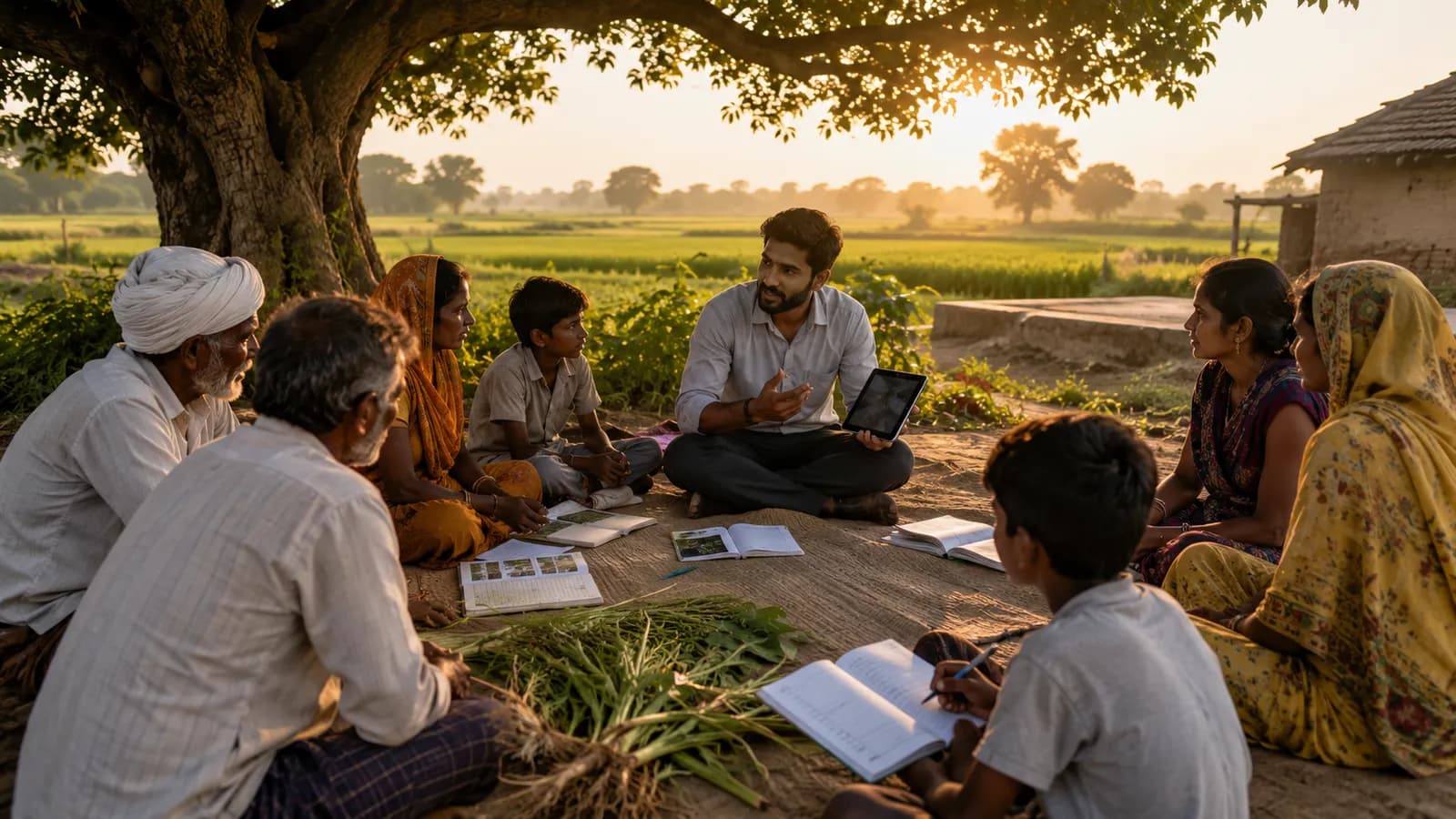
The Smartpur initiative brings these elements together by creating community centres that connect people with information, training, and essential services. Through local facilitators and collaborative partnerships, the initiative helps communities build confidence, adopt better practices, and discover new opportunities for growth.
The impact of this approach is best understood through the experiences of the people it serves. Their stories demonstrate how access to the right knowledge at the right time can lead to meaningful and lasting change.
Table of Contents
- Why Stories Matter in Rural Development
- When Local Challenges Demand Local Solutions
- A Story of Resilience and Learning
- The Importance of Community Participation
- Knowledge That Creates Lasting Impact
- Beyond Individual Success
- The Value of Local Partnerships
- Building Confidence Through Continuous Support
- Creating Sustainable Change
- Conclusion
Why Stories Matter in Rural Development
Measuring progress beyond numbers
Development initiatives are often evaluated through statistics such as the number of centres established, services delivered, or communities reached. While these figures are important, they represent only one part of the larger picture.
The true impact becomes visible when individuals apply new knowledge, improve their livelihoods, overcome local challenges, and inspire others within their communities.
Personal experiences demonstrate how development programmes translate into practical outcomes that improve everyday life.
These stories also help illustrate why community-based initiatives remain essential for long-term rural development.
When Local Challenges Demand Local Solutions
Every community faces different realities
Rural communities across India experience diverse environmental and economic conditions.
Some regions deal with difficult terrain and limited infrastructure, while others face seasonal migration, agricultural uncertainty, or restricted access to public services. Because these challenges vary from one location to another, development programmes must respond to local realities instead of relying on uniform solutions.
The Smartpur initiative addresses this by working closely with communities, local facilitators, and partner organisations to identify needs and provide relevant support.
This approach allows communities to receive practical guidance that reflects their everyday circumstances.
A Story of Resilience and Learning
Transforming challenges into opportunity
One example highlighted in the Smartpur report is the story of Mr. Dilip Kumar Taye, whose experience demonstrates how knowledge and community support can create meaningful change.
Living in the floodplains of the Brahmaputra River, Dilip faced repeated challenges caused by annual flash floods. During one particularly severe flood, more than eight feet of sand covered his agricultural land, making paddy cultivation increasingly difficult. Limited knowledge about soil health, disease management, and fertiliser use further reduced productivity, placing additional financial pressure on his family.
Recognising these challenges, the Smartpur team in Assam worked in collaboration with Krishi Vigyan Kendra (KVK)to organise a horticulture training programme. The programme covered topics including seedbed preparation, soil mixing, pest management, and post-harvest practices. Dilip joined the programme after being identified through community outreach activities.
After completing the training, he began applying the techniques he had learned. By separating sand from the soil and adopting improved horticultural practices, he introduced new varieties of fruits and vegetables on his land and significantly improved agricultural productivity. According to the report, these changes helped restore both his farmland and his family's hopes for the future.
His experience demonstrates how practical training, combined with community support, can help individuals respond to local challenges with greater confidence.
The Importance of Community Participation
Development begins with people
Infrastructure alone cannot transform communities.
Real progress happens when people actively participate in learning opportunities, training programmes, and community initiatives.
The Smartpur model encourages this participation by engaging directly with local residents through community outreach and facilitator support. Rather than waiting for individuals to seek assistance, the initiative works within communities to build awareness and encourage involvement.
This collaborative approach increases participation while making programmes more relevant to local needs.
Knowledge That Creates Lasting Impact
Learning becomes practical action
Information creates value only when it can be applied.
Training programmes offered through Smartpur focus on practical knowledge that participants can use within their daily lives and livelihoods.
The experience of Dilip Kumar Taye illustrates this principle clearly. The training did not simply provide theoretical information. Instead, it equipped him with techniques that he could immediately implement on his own farmland.
This transition from learning to practical application is one of the strongest indicators of meaningful community development.
When knowledge is supported by local guidance and continued engagement, communities become better prepared to respond to future challenges independently.
Beyond Individual Success
Stronger communities grow together
Although personal success stories are inspiring, their significance extends beyond individual achievements.
When one community member adopts improved practices and demonstrates positive outcomes, others gain confidence to explore similar opportunities.
Knowledge begins to spread through observation, discussion, and local collaboration.
This gradual sharing of experience strengthens communities by encouraging collective learning rather than isolated progress.
Community centres become places where people exchange ideas, receive guidance, and support one another in addressing local challenges.
The Value of Local Partnerships
Collaboration strengthens community impact
The Smartpur initiative brings together multiple organisations to support rural development.
Partnerships with local institutions, technical organisations, and implementation teams enable communities to receive specialised knowledge while ensuring that activities remain relevant to regional needs.
In Dilip's case, collaboration with Krishi Vigyan Kendra provided access to horticultural expertise that directly addressed the agricultural challenges faced within his community.
Such partnerships demonstrate how different organisations can contribute complementary expertise while working toward shared development goals.
Building Confidence Through Continuous Support
Empowerment is an ongoing journey
Confidence develops gradually.
For many rural communities, learning new skills or adopting unfamiliar practices requires encouragement, guidance, and continued support.
Community facilitators help create an environment where participants feel comfortable asking questions, experimenting with new approaches, and building their knowledge over time.
This ongoing engagement helps ensure that learning extends beyond individual training sessions and becomes part of everyday community life.
As confidence grows, individuals become better equipped to make informed decisions and participate more actively in local development initiatives.
Creating Sustainable Change
Small improvements create long-term progress
Sustainable development is rarely the result of a single intervention.
Instead, it develops through consistent learning, local participation, practical knowledge, and collaboration.
The stories documented within the Smartpur report demonstrate that even modest improvements can create lasting benefits when communities receive the right support at the right time.
Whether through improved farming practices, greater awareness, or increased access to information, each positive outcome contributes to stronger and more resilient communities.
Over time, these individual successes combine to create broader social and economic progress across participating regions.
Conclusion
The success of rural development is ultimately measured by the people whose lives become more secure, informed, and hopeful.
The Smartpur initiative demonstrates that meaningful change begins with communities themselves. By combining local participation, practical training, community outreach, and institutional partnerships, the initiative helps individuals develop the knowledge and confidence needed to address everyday challenges.
The story of Mr. Dilip Kumar Taye serves as one example of how timely support and practical learning can transform adversity into opportunity. More importantly, it illustrates a broader principle that applies across rural development: when communities have access to the right resources, trusted guidance, and opportunities to learn, they become active participants in shaping their own future.
As more communities continue this journey, these stories of change become lasting examples of what inclusive and community-driven development can achieve.