
Connecting the Unconnected: How Smartpur is Building Stronger Rural Communities Through Digital Access
Introduction
Digital technology has transformed the way people access information, government services, education, healthcare, and financial resources. Yet for many rural communities, especially those in remote and geographically challenging regions, accessing these opportunities remains difficult. Long travel distances, limited infrastructure, low digital awareness, and a lack of nearby service centres often prevent people from benefiting from the country's growing digital ecosystem.
The Smartpur initiative was created to address these challenges by establishing community centres that make essential digital and public services more accessible. Rather than focusing solely on technology, the initiative combines local infrastructure, trained facilitators, institutional partnerships, and community engagement to create practical solutions for everyday needs.
As Smartpur expanded across multiple states, it also created opportunities for collaboration between government bodies, educational institutions, implementation partners, and local communities. This collaborative approach has helped strengthen service delivery while ensuring that each centre responds to the unique requirements of the region it serves.
This article explores how Smartpur connects communities through partnerships, community participation, and locally driven digital access.
Table of Contents
- Understanding the Need for Community-Based Digital Access
- A Model Built Around Local Communities
- Expanding Across Diverse Geographies
- Working Together with Key Stakeholders
- Learning Through Monitoring and Collaboration
- Strengthening Communities Beyond Digital Services
- Bringing People Closer to Opportunities
- Building Long-Term Community Confidence
- Looking Towards Sustainable Rural Development
- Conclusion
Understanding the Need for Community-Based Digital Access
Access should reach every community
Technology has the potential to simplify everyday life, but only when people can use it confidently and consistently.
In many rural regions, residents continue to face barriers that extend beyond internet connectivity. Distance from service centres, limited awareness, difficult terrain, and fewer local resources make it challenging to access essential services.
These realities demonstrate why digital transformation must include community participation alongside infrastructure. Local support systems play an important role in helping individuals understand available services, complete digital processes, and gain confidence in using technology.
Community centres become the bridge that connects digital resources with people who need them the most.
A Model Built Around Local Communities
More than a digital service centre
The Smartpur initiative approaches rural development by placing communities at the centre of its implementation model.
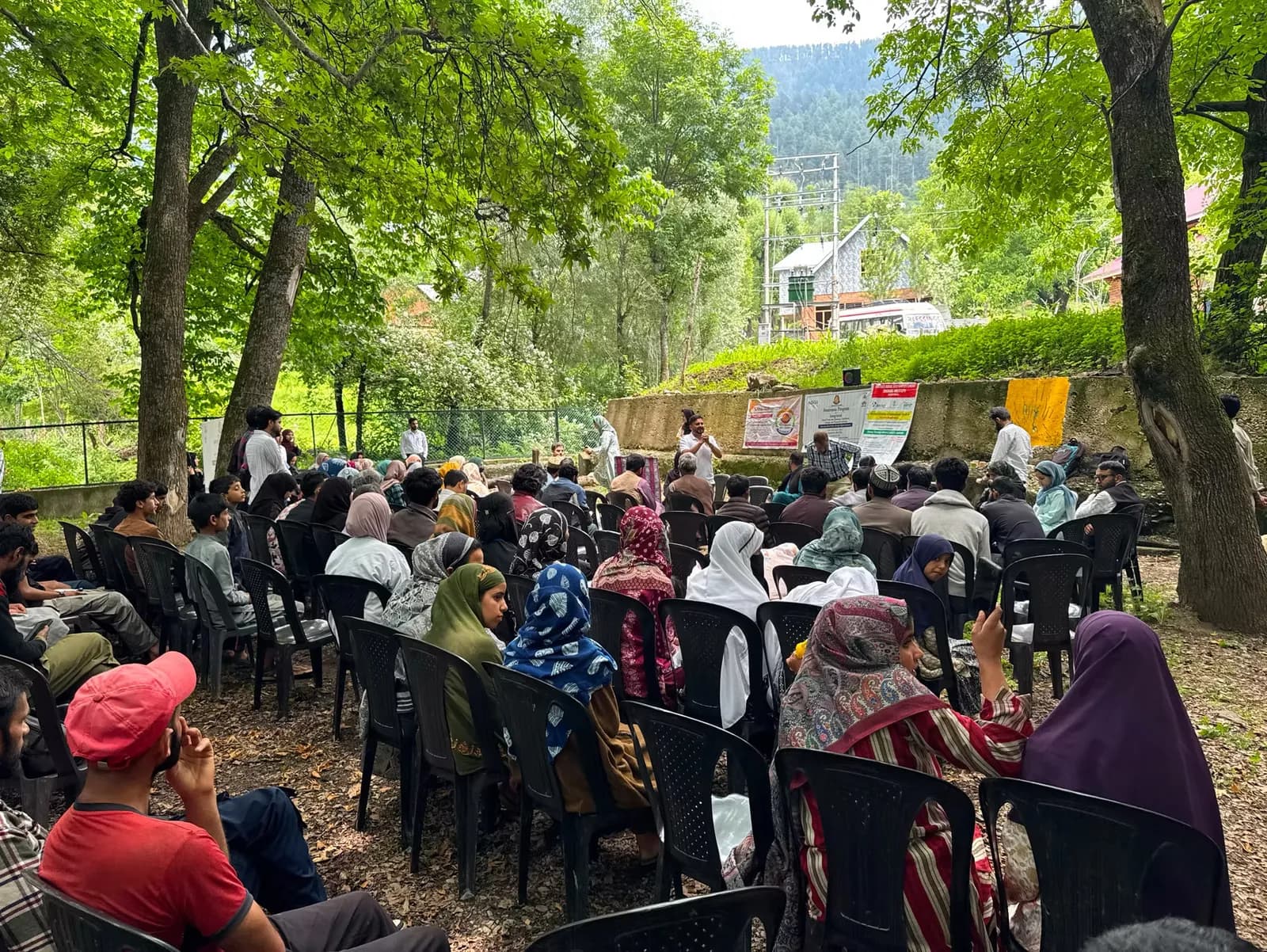
Instead of creating facilities that operate independently, Smartpur establishes centres that become familiar spaces within villages. Residents can seek guidance, receive support, and access multiple services through a trusted local environment.
The centres are supported by facilitators who work directly with community members, helping them navigate digital services while encouraging participation in educational, livelihood, healthcare, and awareness initiatives.
This people-first approach strengthens trust while making digital services more approachable for first-time users.
Expanding Across Diverse Geographies
One vision adapted to many local realities
Implementing a nationwide rural initiative requires flexibility.
The Smartpur report highlights that participating states differ significantly in geography, demographics, livelihoods, literacy levels, and development priorities. Some communities are located in forested and hilly terrain, while others experience seasonal migration, agricultural dependence, or limited access to public infrastructure.
For example, Maharashtra includes remote tribal communities where agriculture is largely rain-dependent and villages experience limited digital and financial service penetration, seasonal migration, and restricted access to healthcare and banking services. Rajasthan presents a different context, with challenges including lower literacy among tribal populations, fragmented agricultural landholdings, unemployment, and high dropout rates in secondary education.
Recognising these differences allows Smartpur to deliver services that reflect local conditions instead of relying on a single implementation model.
Working Together with Key Stakeholders
Partnerships strengthen implementation
Large-scale rural development requires collaboration across multiple institutions.
One of the defining aspects of Smartpur is its engagement with government departments, district administrations, academic institutions, and implementation partners. These collaborations help improve planning, service delivery, monitoring, and knowledge sharing across participating regions.
The project report highlights dedicated efforts to strengthen institutional relationships through meetings, workshops, and collaborative initiatives that support the long-term objectives of the programme.
By bringing different stakeholders together, Smartpur creates a stronger support system for the communities it serves.
Learning Through Monitoring and Collaboration
Continuous improvement across regions
Successful community initiatives evolve through regular learning and evaluation.
The Smartpur report documents various monitoring activities, facilitator engagement, government interactions, state-level workshops, national workshops, and cross-state collaboration that contribute to strengthening implementation over time.
An example of this collaborative approach is the interaction between the REACHA Smartpur National Support Office team and institutional stakeholders, where progress, published work, and future planning were discussed to guide the programme's next phase.
Rather than treating implementation as a fixed process, Smartpur continues to learn from on-ground experiences and institutional feedback.
Strengthening Communities Beyond Digital Services
Supporting everyday development
Digital access becomes truly valuable when it contributes to broader community development.
The Smartpur centres support activities that extend beyond technology alone. Communities benefit from initiatives related to education, awareness, livelihoods, healthcare, financial inclusion, and access to public services.
By bringing these opportunities together within a familiar local environment, residents are able to receive assistance without travelling long distances or navigating multiple institutions independently.
This integrated approach encourages greater participation while making essential services more accessible to rural families.
Bringing People Closer to Opportunities
Reducing barriers through local access
For many rural residents, distance remains one of the biggest obstacles to accessing essential services.
Community centres reduce this challenge by creating nearby access points where individuals can receive assistance with everyday needs. Instead of travelling to urban areas for multiple services, people are able to find guidance within their own communities.
Over time, this accessibility helps increase confidence, improves participation in available programmes, and encourages greater use of digital services.
The report also records substantial service delivery across Smartpur centres, reflecting continued engagement between communities and local facilitators.
Building Long-Term Community Confidence
Digital inclusion grows through trust
Technology adoption rarely happens overnight.
Many rural communities begin their digital journey with limited exposure to online services. Local facilitators therefore play an important role in helping residents understand available resources while providing guidance throughout the process.
As confidence increases, community members become more comfortable accessing digital services independently and participating in additional educational, financial, and livelihood opportunities.
This gradual development creates stronger foundations for long-term digital inclusion.
Looking Towards Sustainable Rural Development
Communities remain at the centre
The long-term success of rural development depends on creating systems that communities can continue to use and trust.
Smartpur demonstrates that sustainable progress is achieved through consistent local engagement, institutional collaboration, community participation, and accessible service delivery.
By strengthening relationships between citizens, facilitators, government institutions, and implementation partners, the initiative creates an environment where technology supports broader social and economic development.
Its experience across multiple states illustrates how locally adapted solutions can contribute to more inclusive and resilient communities.
Conclusion
Connecting rural communities requires much more than expanding digital infrastructure. It requires trusted local spaces where people can access services, receive guidance, build confidence, and engage with opportunities that improve their daily lives.
The Smartpur initiative demonstrates how community centres, supported by facilitators and institutional partnerships, can help bridge gaps in access while responding to the unique needs of different regions. Through collaboration, continuous learning, and community participation, the initiative creates pathways that make digital inclusion more practical and meaningful.
As rural development continues to evolve, approaches that combine technology with strong local engagement will remain essential in ensuring that communities are not only connected but also empowered to make full use of the opportunities available to them.